
Shop Educational Resources For Ages 8 To 13 Years
Build Deeper Understanding Across the Intermediate Phase
From ages 8 to 13, learners begin working with more complex ideas, applying knowledge across subjects and taking greater responsibility for their own learning. Resources at this stage should help strengthen subject understanding, reasoning, problem-solving and independent thinking while still giving learners practical ways to test ideas and make connections.
Showing 33–48 of 183 resultsSorted by popularity
-
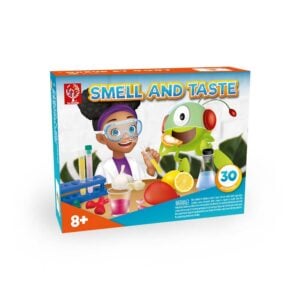
Edu-Toys – Smell & Taste Kit – 30 Activities – Science Learning Kit for Kids
R399.00 Add to cart -
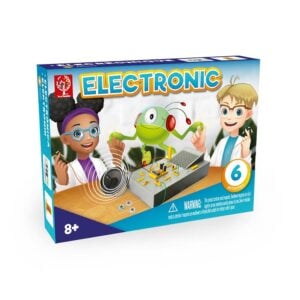
Edu-Toys – Beginner Electronics Kit – 6 Activities – Science Learning Kit for Kids
R499.00 Add to cart -
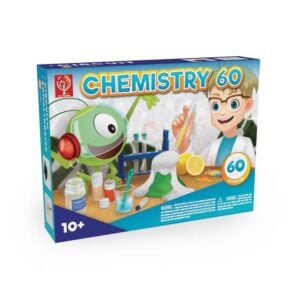
Edu-Toys – Chemistry Kit – 60 Activities – Science Learning Kit for Kids
R549.00 Add to cart -
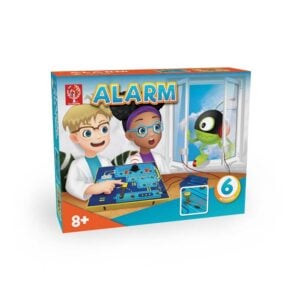
Edu-Toys – Build Your Own Alarm Kit – 6 Activities – Science Learning Kit for Kids
R449.00 Add to cart -
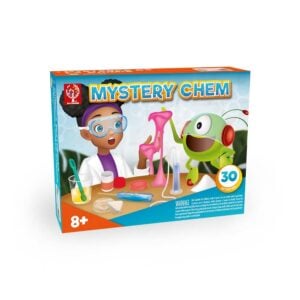
Edu-Toys – Mystery Chemistry Kit – 30 Activities – Science Learning Kit for Kids
R499.00 Add to cart -
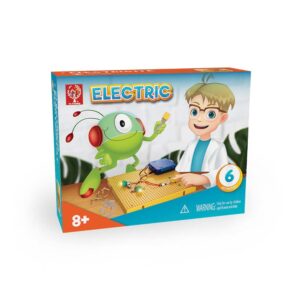
Edu-Toys – Electric Circuit – 6 Activities – Educational Science Learning Kit for Kids
R499.00 Add to cart -
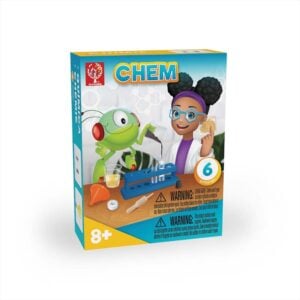
Edu-Toys – Chemistry Kit – 6 Activities – Science Learning Kit for Kids
R199.00 Add to cart -

Greenbean – Anatomy Model – Eyeball – 31pcs
R349.00 Add to cart -
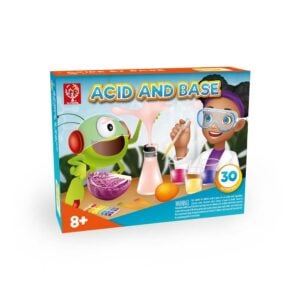
Edu-Toys – Acid & Bases Chemistry Kit – 30 Activities – Science Learning Kit for Kids
R449.00 Add to cart -
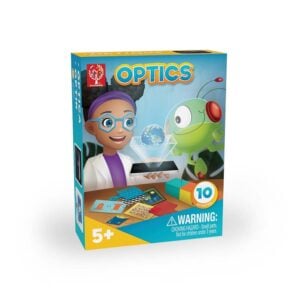
Edu-Toys – Optics Kit – 10 Activities – Science Learning Kit for Kids
R249.00 Add to cart -
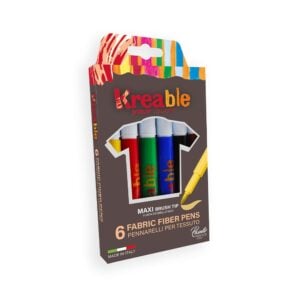
Toy Color – Jumbo Fabric Fibre Pens – Brush Tip – 6 Colours – 6pcs
R79.00 Add to cart -
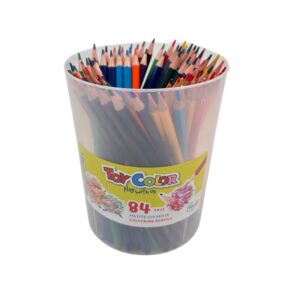
Toy Color – Junior Hexagonal Coloured Pencils – 3mm Lead Jar – 12 Colours – 84pcs
R299.00 Add to cart -
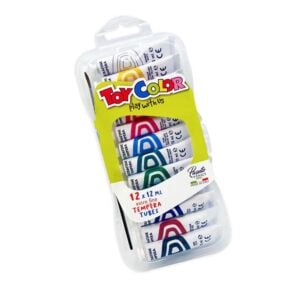
Toy Color – Tempera Paint Tubes Set 12 x 12ml – Non-Toxic Water-Based Art Paint
R129.00 Add to cart -
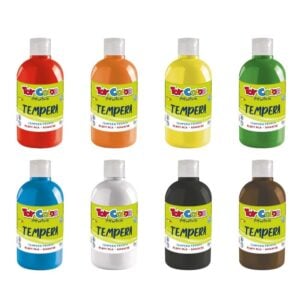
Toy Color – Superwashable Ready-Mix Tempera Paint for Kids – Bulk Pack 8 x 500ml
R499.00 Add to cart -
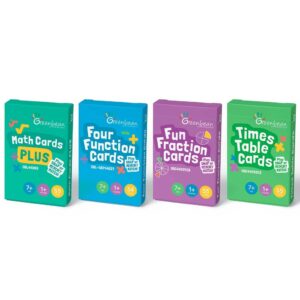
Greenbean – Maths Cards PLUS, Fun Fraction Cards, Times Table Cards & Four Function Cards
R249.00 Add to cart -
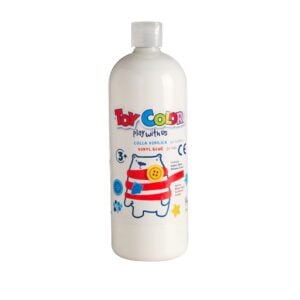
Toy Color – Vinyl Glue for Kids – Clear Drying – 1000ml
R119.00 Add to cart
What To Look For At This Stage
Learners in this age group are ready for resources that move beyond basic skill-building and encourage deeper application. The strongest choices help them explain their thinking, work through more complex challenges and use what they know in new situations.
Subject Knowledge and Concept Development
Look for resources that help learners explore concepts in greater depth across mathematics, science, language and other learning areas. Practical tools, models, visual aids and subject-specific activities can make complex ideas easier to understand.
Problem-Solving and Reasoning
Games, investigations, puzzles and structured challenges can help learners think critically, test different approaches and explain how they reached an answer.
Independent Learning
Resources with clear instructions, progressive difficulty and opportunities for self-checking can help learners manage tasks with less adult support and take greater ownership of their work.
Collaboration and Applied Learning
Group investigations, project-based activities and shared problem-solving resources can support communication, teamwork and the ability to apply knowledge in practical contexts.
If you are selecting resources for an Intermediate Phase classroom, learning support programme, therapy setting or school resource centre, our team can help you compare options based on subject area, ability level, group size and how the resources will be used across lessons.
Support Each Stage With Resources Selected for How Learners Grow, Learn And Play
As learners progress, the level of challenge and the way resources are used can change significantly. Explore our other age groups to find educational resources suited to the classes, phases and learning goals you are planning for.
0 to 18 Months
Sensory Exploration
Support early development with sensory resources that encourage touch, movement, visual tracking, coordination and discovery during a child’s first stages of learning.
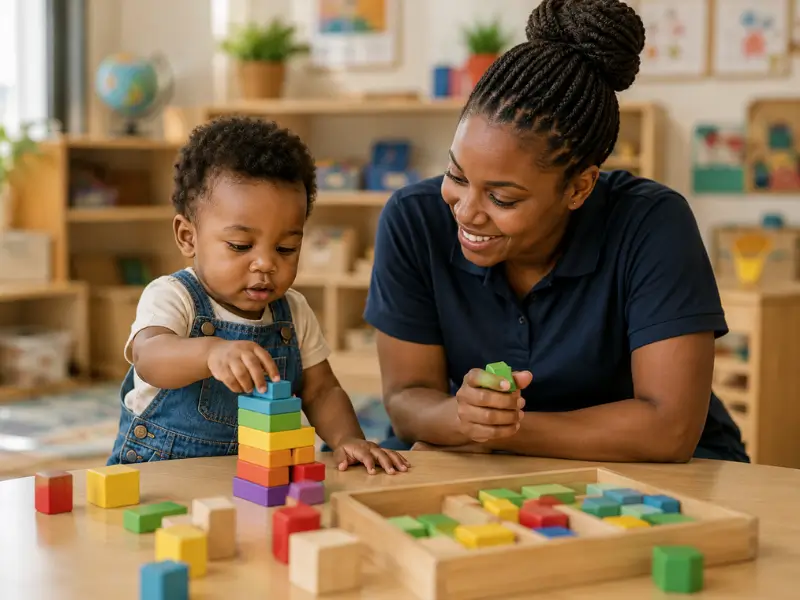
18 Months to 3 Years
Early Learning
Build early skills with resources that support language, problem-solving, fine motor development and growing independence through purposeful play.
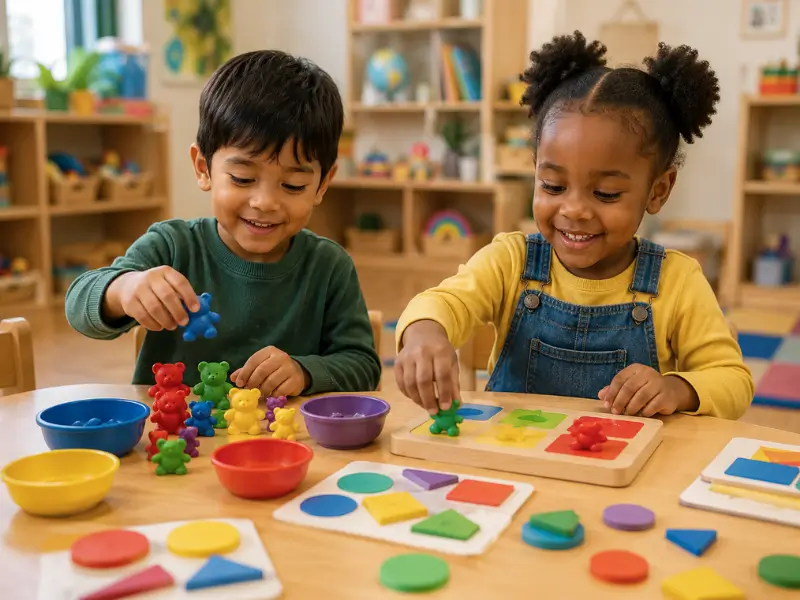
3 to 5 Years
Foundation Phase
Prepare young learners for the classroom with resources that strengthen early literacy, numeracy, creativity, coordination and social development.

5 to 8 Years
Foundation Phase
Support classroom learning with resources that develop reading, writing, numeracy, reasoning and practical skills across the early school years.

13 Years and Up
Advanced Learning
Extend learning with resources that support subject understanding, critical thinking, investigation, practical skills and more independent study.
Explore Resources by Skill
Sometimes the best way to find the right resource is to start with the skill you want to support. Browse by learning area to narrow the options and focus on resources that match your goals.




Frequently Asked Questions
Which resources help learners understand more complex maths concepts?
Hands-on maths resources can help learners make sense of concepts that become increasingly abstract at this stage. Fraction pieces, place value tools, geometry resources, measurement materials and visual models can all help learners see how a concept works before relying only on written methods.
Which resources help develop problem-solving and reasoning skills?
Look for resources that ask learners to compare, test, plan, calculate or explain their thinking. Logic games, puzzles, maths challenges, investigations and construction activities can help learners work through different approaches instead of focusing only on getting the right answer.
Which resources support differentiated learning in Grades 4 to 7?
Resources with several levels of challenge are useful in mixed-ability classrooms. Open-ended tasks, manipulatives, problem-solving activities and flexible learning sets can allow learners to work on the same concept at different levels without needing completely separate activities.
Which resources are suitable for project-based learning?
Resources that support investigation, building, experimentation and presentation work well for project-based learning. Science kits, STEM sets, construction resources and practical maths materials can give learners something concrete to explore while working towards a broader outcome.
What resources work well for small-group problem-solving activities?
Choose resources that give every learner a role in the task. Games, investigations, construction challenges and hands-on maths activities can work well when they encourage discussion, shared decision-making and more than one possible approach.
Which resources help learners apply knowledge in practical contexts?
Practical resources can help learners connect classroom concepts with real situations. Measurement tools, science equipment, models, construction sets and applied maths activities can give learners opportunities to test what they know rather than working only from examples on a page.
What resources are useful for learners who need extra maths support?
Visual and hands-on resources can make difficult concepts easier to understand. Manipulatives, number lines, fraction models, place value materials and structured maths games can help break concepts into smaller steps while giving learners extra opportunities to practise.
How do I choose resources that encourage critical thinking?
Look for activities that require learners to explain, compare, justify or test ideas. Resources with open-ended challenges, several possible solutions or opportunities for investigation are often more useful for critical thinking than tasks based mainly on recall.
What resources help build confidence in independent task completion?
Resources with clear instructions, manageable steps and visible progress can help learners work with less adult input. Self-checking activities, puzzles, structured challenges and independent learning sets can give learners a clearer sense of control over the task.
Can Educanda help me compare classroom sets and individual resources?
Yes. If you are deciding between a classroom set, smaller group kit or individual product, our team can help you compare the options based on learner numbers, subject area, intended use and how often the resource will be used.
Can Educanda recommend resources for a specific Grade 4, 5, 6 or 7 learning goal?
Yes. Share the grade, subject, concept or learning outcome you want to support, along with any relevant ability levels or classroom requirements. That gives our team a clearer basis for suggesting suitable options.
Does Educanda offer CAPS-aligned Intermediate Phase resources?
Yes. Educanda offers resources that can support CAPS-aligned teaching across Intermediate Phase subjects. Suitability depends on the individual product and the learning objective, so it is worth checking the product information or speaking to our team if you are sourcing for a specific curriculum outcome.