
Shop Educational Resources For Ages 3 To 5 Years
Build Strong Foundations Through Purposeful Learning
From 3 to 5 years, children begin connecting play with more structured learning. Resources at this stage can support early literacy, numeracy, communication, creativity, coordination and social development while giving young learners room to explore ideas, practise new skills and become more confident in a classroom setting.
Showing 1–16 of 830 resultsSorted by popularity
-
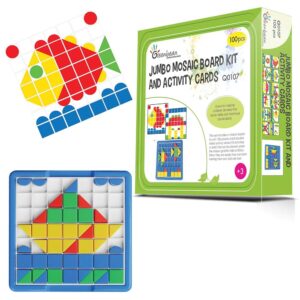
Greenbean – Mosaic Jumbo Grid Board Set 82pcs QL010(E)-7
R219.00 Add to cart -
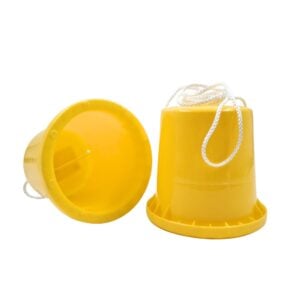
Greenbean – Bucket Balance Stilts
R69.00 Select options This product has multiple variants. The options may be chosen on the product page -
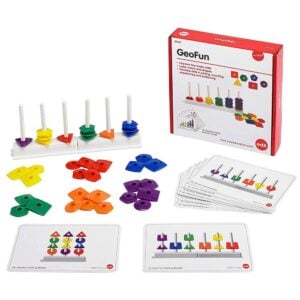
EDX Education – GeoFun Geometric Sorting Beads – Math Manipulatives Learning Set
R360.00 Add to cart -
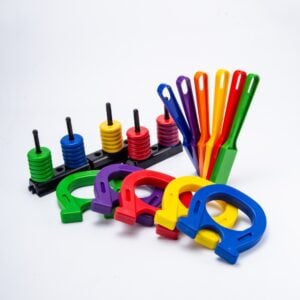
Greenbean – Super Magnet Classroom Science Kit – 133pcs
R699.00 Add to cart -
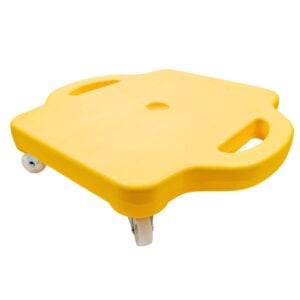
Greenbean – Scooter Board with Handles
R499.00 Select options This product has multiple variants. The options may be chosen on the product page -

Greenbean – Play Money Madiba Double Pack
R249.00 Add to cart -
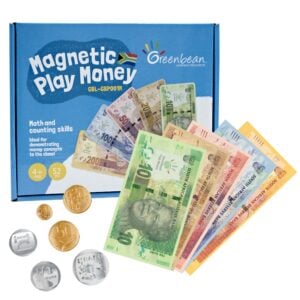
Greenbean – Demo Magnetic Play Money
R359.00 Add to cart -
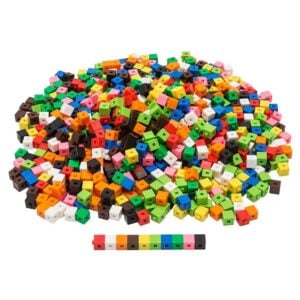
Greenbean – 1cm Interlocking Cubes 1000pcs – Maths Counting Manipulatives
R449.00 Add to cart -
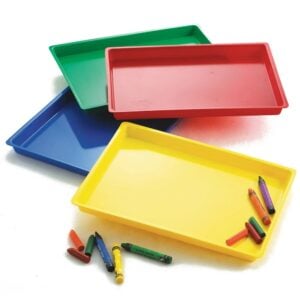
EDX Education – Paint Tray Set 4pc pbag
R499.00 Add to cart -
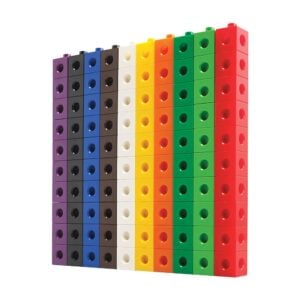
EDX Education – Linking Cubes – 2cm – 10 Colours – 100pcs Polybag
R249.00 Add to cart -

Anthony Peters – Assorted Glitter Pom Poms Jumbo Pack: 100 Pieces
R99.00 Add to cart -
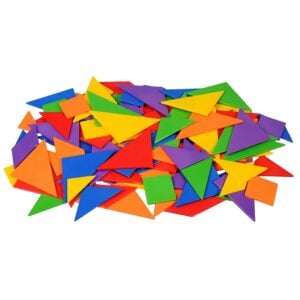
Greenbean – Tangrams – Geometric Puzzle Set – 6 Colours – 168pcs
R299.00 Add to cart -
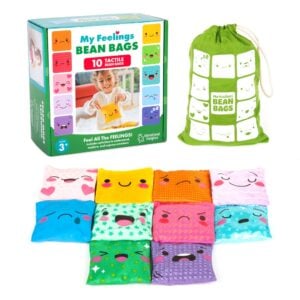
Educational Insights – My Feelings Bean Bags: Emotions SEL Toy
R849.00 Add to cart -
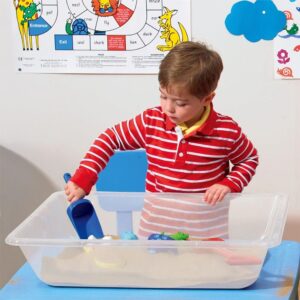
EDX Education – Sand & Water Sensory Tray – Translucent – 1 Piece
R499.00 Add to cart -

Greenbean – Gross Motor Spare Part – Triangle
R56.00 Add to cart -

Greenbean – Gross Motor Spare Part – Small Circle
R56.00 Add to cart
What To Look for at This Stage
Pre-school learners benefit from resources that combine hands-on discovery with growing structure. Activities should encourage curiosity, support emerging academic skills and give children opportunities to practise, repeat and apply what they are learning in different ways.
Early Literacy
Look for resources that support letter recognition, vocabulary, phonological awareness, storytelling and early mark-making. Picture-based activities, matching games and simple language resources can help prepare learners for more formal reading and writing.
Early Numeracy
Counting, sorting, sequencing and number recognition become increasingly important at this stage. Manipulatives and hands-on maths resources can help make early concepts more concrete and easier to understand.
Fine Motor and Pre-Writing Skills
Resources that involve tracing, threading, peg work, drawing, cutting and controlled hand movements can help strengthen coordination and build the control needed for early writing tasks.
Social and Creative Development
Pretend play, art materials, collaborative games and open-ended resources can support imagination, communication, turn-taking and confidence while giving learners space to express ideas and work with others.
If you are selecting resources for a pre-school class, ECD centre, therapy setting or Foundation Phase environment, our team can help you compare suitable options based on developmental stage, learning goals, group size and how the resources will be used across the day.
Explore Other Age Groups
Each stage brings different learning priorities. Explore our other age groups to find educational resources suited to the learners, classes or developmental stages you are planning for.
0 to 18 Months
Sensory Exploration
Support early development with sensory resources that encourage touch, movement, visual tracking, coordination and discovery during a child’s first stages of learning.
18 Months to 3 Years
Early Learning
Build early skills with resources that support language, problem-solving, fine motor development and growing independence through purposeful play.

5 to 8 Years
Foundation Phase
Support classroom learning with resources that develop reading, writing, numeracy, reasoning and practical skills across the early school years.
8 to 13 Years
Intermediate Phase
Encourage deeper learning with resources that support problem-solving, subject knowledge, critical thinking, practical application and classroom participation.

13 Years and Up
Advanced Learning
Extend learning with resources that support subject understanding, critical thinking, investigation, practical skills and more independent study.
Explore Resources by Skill
Sometimes the best way to find the right resource is to start with the skill you want to support. Browse by learning area to narrow the options and focus on resources that match your goals.





Frequently Asked Questions
What should I include in a preschool learning resource kit?
A balanced preschool resource kit should support early literacy, numeracy, fine motor skills, communication, creative play and problem-solving. It also helps to include open-ended resources that can be used in different ways across the week instead of being limited to one fixed activity.
What are the best educational resources for school readiness?
School readiness resources should support the skills children will use as they move into a more structured classroom environment. Early literacy, numeracy, fine motor control, listening, problem-solving, following instructions and independent task completion are all useful areas to consider.
What resources help develop phonological awareness?
Resources that focus on rhyme, sound recognition, syllables, listening and word patterns can support phonological awareness. Picture cards, sound games, rhyming activities and simple language games can help learners become more aware of how spoken words are structured before formal reading begins.
How can I choose resources that support fine motor and pre-writing skills?
Look for resources that encourage controlled hand and finger movements. Threading, peg activities, tracing, drawing, cutting, sorting and small manipulatives can help strengthen coordination and hand control before learners move into more formal writing tasks.
Which resources help with communication and language development?
Picture-based resources, storytelling materials, sequencing activities, role play and simple language games can encourage learners to describe, explain, listen and respond. Resources that invite conversation are especially useful for introducing and reinforcing new vocabulary.
Which activities help improve attention and concentration in young learners?
Activities with a clear start and finish can help build attention at this age. Puzzles, matching tasks, sorting activities, sequencing games and simple construction challenges can encourage learners to stay with an activity for longer while working towards a clear outcome.
Which resources work well for learning through play?
Resources that encourage children to explore, make choices and test ideas tend to work well for play-based learning. Construction sets, pretend-play materials, manipulatives, puzzles, sensory resources and creative activities can support learning while still giving children room to direct parts of the experience themselves.
What resources encourage independent learning for ages 3 to 5?
Choose activities that learners can understand and manage with limited adult direction. Puzzles, sorting tasks, matching activities, simple construction sets and clearly structured learning materials can help children practise making choices, solving problems and completing tasks on their own.
How can I choose resources that support social and emotional development?
Look for resources that encourage turn-taking, cooperation, communication and recognising emotions. Role-play materials, collaborative games, storytelling resources and group activities can help learners practise social interaction and discuss feelings in a structured way.
How do I choose resources for mixed-ability pre-school groups?
Look for resources that can be used at different levels without changing the whole activity. Open-ended materials, manipulatives, puzzles and construction resources often work well because one learner can complete a simpler task while another can extend the same activity.
Which resources work well for small-group learning?
Small-group activities work best when every learner has a clear role or enough material to participate. Matching games, sorting sets, construction resources, storytelling activities and hands-on maths materials can all work well when used with a few learners at a time.
What should I consider when selecting resources for children who need additional support?
Start with the specific skill or area where the learner needs support. Resources with clear visual cues, tactile elements, repetition and manageable steps can be helpful. It is also useful to choose materials that can be simplified or extended as the learner progresses.
Which resources are suitable for repeated use in an ECD or pre-school setting?
Durability, ease of cleaning and simple storage are important in shared learning environments. Reusable manipulatives, strong puzzles, construction sets and classroom materials that can be reset quickly tend to work well when several learners use them regularly.
How do I choose resources that are easy to rotate across classroom activities?
Look for resources that can be introduced in different ways rather than those designed for one specific task. Open-ended materials, counting sets, construction pieces, sorting resources and creative materials can often be adapted to support different lessons and learning goals.
Does Educanda offer resources that support Foundation Phase preparation?
Yes. We offer educational resources that can support early literacy, numeracy, fine motor development, communication and other skills that help prepare learners for the Foundation Phase. Suitability will depend on the individual resource and the learning goal you are working towards.