
Shop Educational Resources For Ages 5 To 8 Years
Build Confidence Across the Early School Years
From ages 5 to 8, learners begin applying early skills in a more structured classroom environment. Resources at this stage should help strengthen reading, writing, numeracy, reasoning and independence while still giving children practical ways to explore concepts, solve problems and learn through hands-on activity.
Showing 417–432 of 441 resultsSorted by popularity
-
 Out of Stock
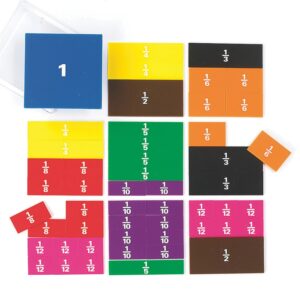
EDX Education – Fraction Squares – 1 to 12th – Printed – 51pcs
R299.00 Read more -
 Out of Stock
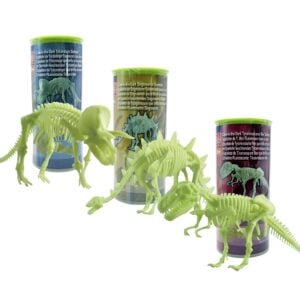
Edu-Toys – Glow in the Dark Dinosaur Bundle
R299.00 Read more -
 Out of Stock
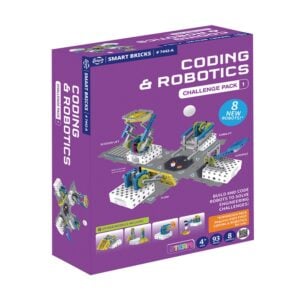
Gigo – My First Coding – Robotics Extension Pack
R349.00 Read more -
 Out of Stock
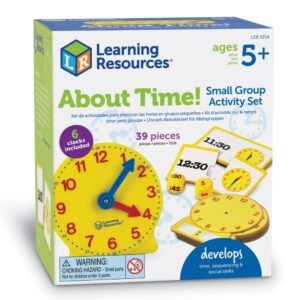
Learning Resources – About Time! Small Group Activity Set
R499.00 Read more -
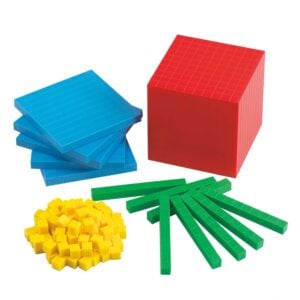 Out of Stock
EDX Education – Four Colour Base Ten Blocks – Maths Manipulatives – 121pcs Box
R450.00 Read more -
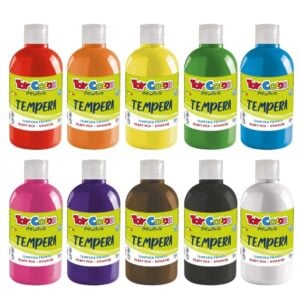 Out of Stock
Toy Color – Superwashable Ready-Mix Tempera Paint for Kids – Bulk Pack 10 x 250ml
R499.00 Read more -
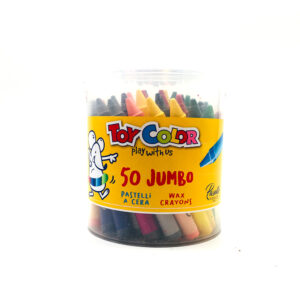 Out of Stock
Toy Color – Jumbo Wax Crayons – Non-Toxic – 50 Pack Jar, 12 Vibrant Colours, 11mm
R175.00 Read more -
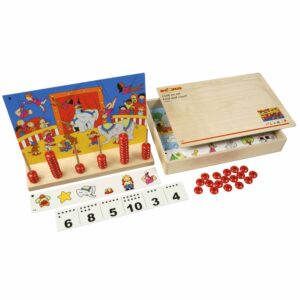 Out of Stock
Educo – Game – Find and Count – 112pcs Wooden Box
R1,287.00 Read more -
 Out of Stock
EDX Education – Demo String Bead Abacus – 20 Beads – 18mm
R56.00 Read more -
 Out of Stock
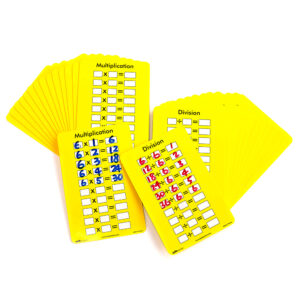
EDX Education – Multiplication & Division Cards
R116.00 Read more -
 Out of Stock
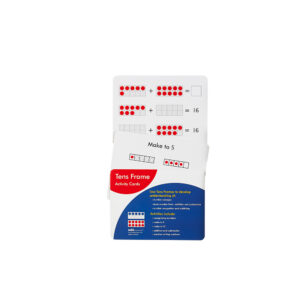
EDX Education – Activity Cards -Ten Frames – 16pcs
R145.00 Read more -
 Out of Stock
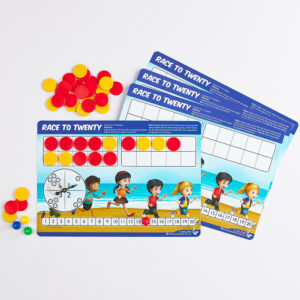
EDX Education – Race To Twenty – Patterning & Addition Game
R374.00 Read more -
 Out of Stock
EDX Education – Balance Junior – New!
R299.00 Read more -
 Out of Stock
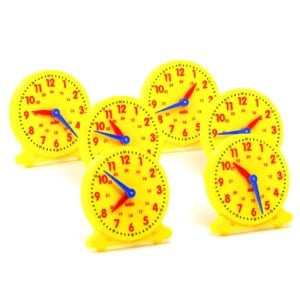
EDX Education – Clock – Geared – 24Hr Student – 10cm – 6pcs
R349.00 Read more -
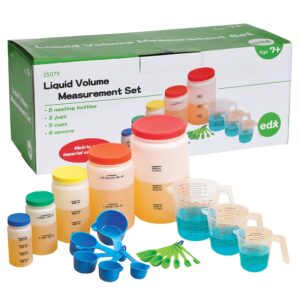 Out of Stock
EDX Education – Volume Measuring Set – Liquid – 19pcs
R799.00 Read more -
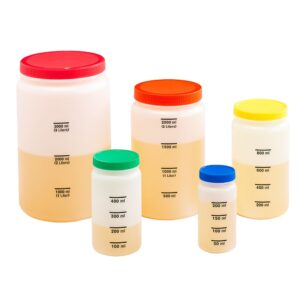 Out of Stock
EDX Education – Measuring Bottle – 5pcs
R385.00 Read more
What To Look For At This Stage
Learners in the early school years are ready for resources that connect concrete experiences with more formal learning. The strongest choices give them opportunities to practise core skills, work more independently and apply what they know in different contexts.
Literacy and Language Development
Look for resources that support phonics, word building, vocabulary, reading comprehension and sentence construction. Games, visual aids and hands-on language activities can help reinforce classroom learning in an engaging way.
Numeracy and Mathematical Thinking
Manipulatives, number games and problem-solving activities can help learners build stronger foundations in operations, place value, patterns, measurement and early mathematical reasoning.
Independent Learning and Problem-Solving
Resources with clear instructions, progressive challenges and opportunities for self-correction can help learners become less dependent on adult support while building confidence in their own thinking.
Collaboration and Classroom Skills
Group games, construction activities and shared problem-solving resources can support communication, turn-taking, teamwork and the ability to work productively with others.
If you are selecting resources for a Foundation Phase classroom, learning support setting, therapy practice or school resource centre, our team can help you compare suitable options based on subject area, ability level, group size and how the resources will be used during lessons.
Explore Other Age Groups
Different learning stages call for different levels of challenge and support. Explore our other age groups to find educational resources suited to the learners, classes or phases you are planning for.

0 to 18 Months
Sensory Exploration
Support early development with sensory resources that encourage touch, movement, visual tracking, coordination and discovery during a child’s first stages of learning.
18 Months to 3 Years
Early Learning
Build early skills with resources that support language, problem-solving, fine motor development and growing independence through purposeful play.
3 to 5 Years
Foundation Phase
Prepare young learners for the classroom with resources that strengthen early literacy, numeracy, creativity, coordination and social development.
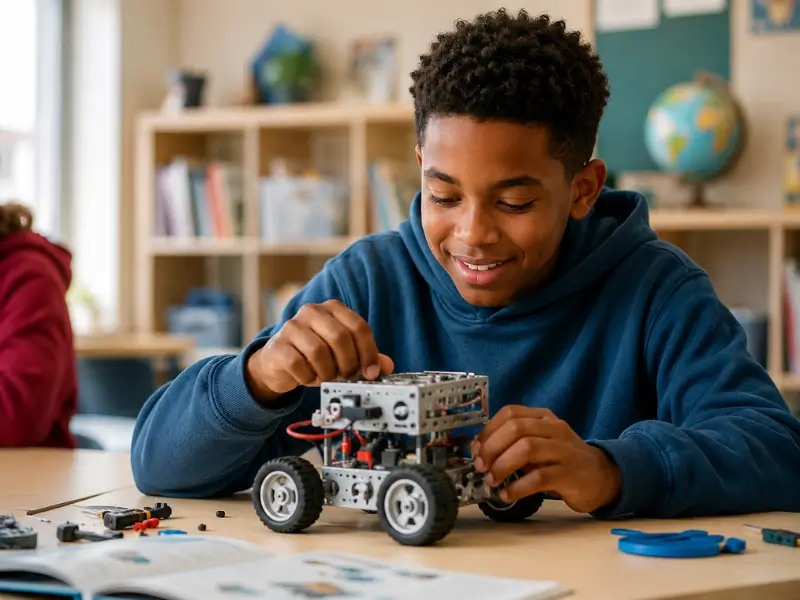
8 to 13 Years
Intermediate Phase
Encourage deeper learning with resources that support problem-solving, subject knowledge, critical thinking, practical application and classroom participation.

13 Years and Up
Advanced Learning
Extend learning with resources that support subject understanding, critical thinking, investigation, practical skills and more independent study.
Explore Resources by Skill
Sometimes the best way to find the right resource is to start with the skill you want to support. Browse by learning area to narrow the options and focus on resources that match your goals.





Frequently Asked Questions
Which resources help improve reading fluency in young learners?
Resources that give learners repeated opportunities to recognise words, read short passages and practise decoding can support fluency. Phonics activities, word-building games, graded reading materials and sentence-based exercises can all help learners build speed, confidence and accuracy over time.
What resources support phonics and word building in Grades 1 to 3?
Letter tiles, phonics games, word-building sets, sound cards and matching activities can help learners connect sounds with letters and combine them into words. Hands-on resources can be especially useful because they allow learners to manipulate sounds and word parts rather than working only from a worksheet.
Which educational resources help build reading comprehension skills?
Sequencing activities, story cards, picture prompts, question-based reading tasks and comprehension games can help learners move beyond decoding into understanding. Resources that encourage learners to predict, explain, retell and answer questions can support deeper engagement with what they read.
Which resources are useful for small-group maths activities?
Manipulatives, number games, counting sets, place value resources, fraction materials and problem-solving activities can work well in small groups. The most useful options give each learner something to handle, solve or discuss instead of relying on one learner to lead the activity.
How do I choose resources for mixed-ability Foundation Phase classrooms?
Look for resources that can be adjusted by changing the level of challenge, the number range or the amount of support provided. Manipulatives, open-ended tasks and activities with several difficulty levels can make it easier to keep learners working on the same concept at different levels.
Which resources support differentiated learning in Grades 1 to 3?
Resources that can be simplified, extended or used in several ways tend to work well for differentiated learning. Look for materials that allow learners to work at different levels while still focusing on the same underlying skill or concept.
What resources encourage independent classroom work?
Choose resources with clear instructions, manageable steps and activities learners can complete with limited adult input. Self-checking games, puzzles, task cards, matching activities and structured learning sets can all help learners build confidence in working independently.
Which resources help learners move from concrete to abstract maths concepts?
Hands-on maths materials such as counters, number lines, place value blocks, fraction pieces and geometric shapes can help learners understand a concept physically before moving to symbols and written calculations. These resources can make abstract ideas easier to visualise and explain.
Which resources are suitable for repeated daily classroom use?
Look for durable resources that are easy to store, reset and clean. Strong manipulatives, laminated learning materials, reusable games and classroom sets are often practical choices when the same resources will be handled by several learners throughout the week.
How can I choose resources that reduce lesson preparation time?
Ready-to-use resources, reusable activity sets, demonstration materials and flexible manipulatives can help reduce preparation. It also helps to choose resources that work across several lessons or learning outcomes instead of products designed for one narrow task.
What resources work well for learners who need extra literacy support?
Resources that break literacy skills into smaller steps can be helpful. Phonics activities, sound-letter matching, word-building sets, visual prompts and repeated reading materials can support learners who need additional practice without making the activity feel disconnected from classroom learning.
Which educational games work well for Foundation Phase classrooms?
Games that reinforce phonics, vocabulary, number skills, problem-solving, sequencing or reasoning can work well at this stage. The best classroom games are usually easy to explain, quick to reset and flexible enough to use with small groups or learning stations.
How do I choose resources for whole-class demonstrations?
Look for resources that are large enough to be seen clearly and simple enough to follow from a distance. Magnetic sets, large manipulatives, demonstration number lines, visual aids and teacher-led activity resources can help make whole-class explanations easier to follow.
Does Educanda offer CAPS-aligned Foundation Phase resources?
Yes. Educanda offers resources that can support CAPS-aligned teaching across Foundation Phase learning areas. Suitability will depend on the individual product and the learning objective, so it is worth checking the product details or asking our team if you are working towards a specific curriculum outcome.
Can Educanda help me compare classroom sets and individual resources?
Yes. If you are deciding between classroom sets, smaller kits or individual products, our team can help you compare the options based on group size, learning purpose, frequency of use and how the resource will fit into your classroom routine.
Can Educanda recommend resources for a specific Grade 1, 2 or 3 learning goal?
Yes. Share the grade, subject area, skill or learning outcome you want to support, along with any relevant ability levels or classroom requirements. This gives our team a clearer basis for suggesting suitable resources.