
Shop Educational Resources For Ages 18 Months To 3 Years
Early Learning Through Play and Discovery
From 18 months to 3 years, children become increasingly curious, independent and eager to test what they can do. The right resources can encourage that growing confidence while supporting early language, movement, coordination, problem-solving and everyday learning through hands-on exploration.
Showing 49–64 of 120 resultsSorted by popularity
-
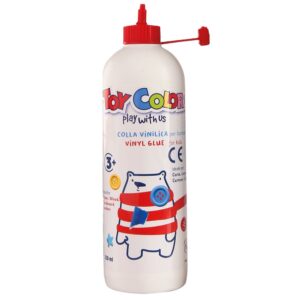
Toy Color – PVA Vinyl Glue – Child-Safe Certified Adhesive – 250ml
R59.00 Add to cart -
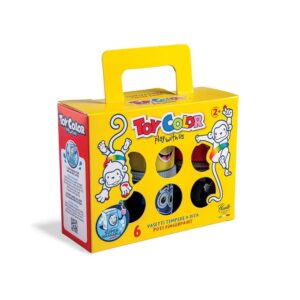
Toy Color – Superwashable & Non-Toxic Fingerpaint for Kids – 6 x 80ml Pots
R139.00 Add to cart -
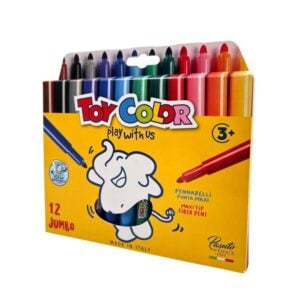
Toy Color – Jumbo Fibre Markers – 5mm Tip – 12 Colours – 12pcs
R79.00 Add to cart -
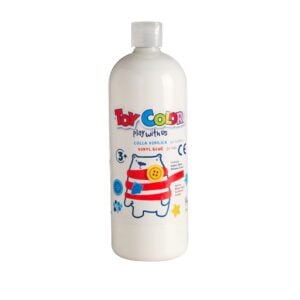
Toy Color – Vinyl Glue for Kids – Clear Drying – 1000ml
R119.00 Add to cart -
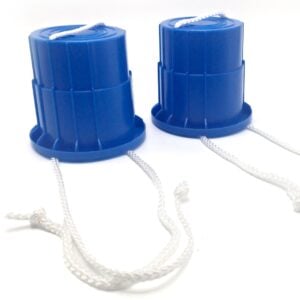
EDX Education – Step A Bucket 2pc pbag
R149.00 Add to cart -
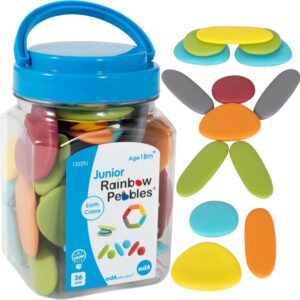
EDX Education – Junior Rainbow Pebbles in Jar – Sorting, Counting and Stacking Stones
R349.00 Add to cart -
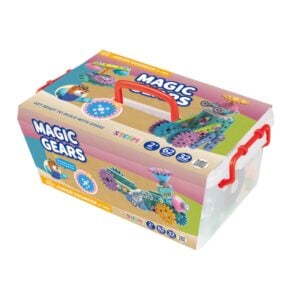
Gigo – Junior Engineer Magic Gears – 62pcs
R799.00 Add to cart -
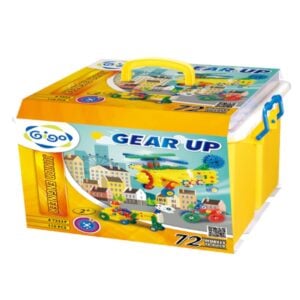
Gigo – Junior Engineer Gear Up – 72pcs
R1,399.00 Add to cart -
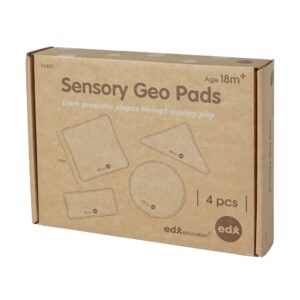
EDX Education – Sensory Geo Pads
R289.00 Add to cart -
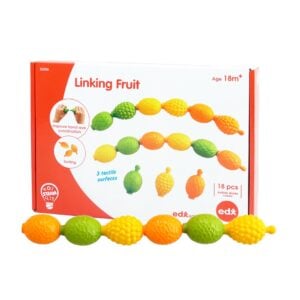
EDX Education – Linking Fruits – 3 Colours & 3 Tactile Surfaces – Activity Guide – 18pcs
R289.00 Add to cart -
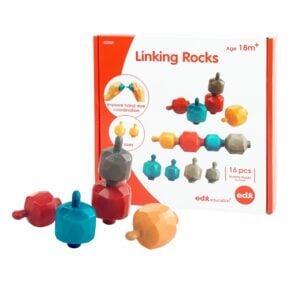
EDX Education – Linking Rocks – 4 Colours & 2 Sizes – Activity Guide – 16pcs
R289.00 Add to cart -
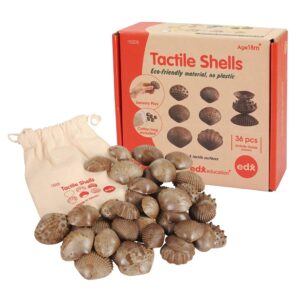
EDX Education – Tactile Shells – Eco Friendly FPC Material – 6 Tactiles – 3 Sizes – 36pcs
R450.00 Add to cart -
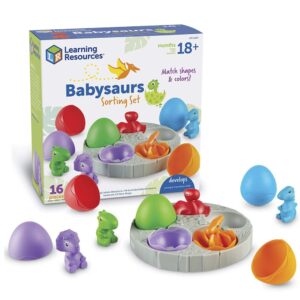
Learning Resources – Babysaurs Dinosaur Set: Counting Colour Sorting Toy for Toddlers
R399.00 Add to cart -
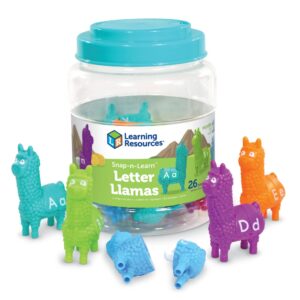
Learning Resources – Snap-n-Learn™ Letter Llamas: ABC Alphabet Fine Motor Toy Toddlers
R499.00 Add to cart -
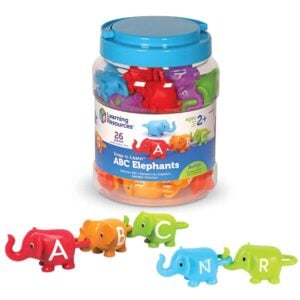
Learning Resources – Snap-n-Learn™ ABC Elephants: Alphabet Fine Motor Toy Toddlers
R499.00 Add to cart -
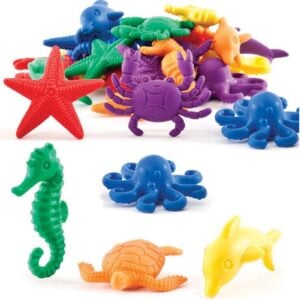
EDX Education – Multi-Coloured Aquatic Counters, Activity Cards and Tweezers
R269.00 Add to cart
What to Look for at This Stage
Toddlers learn through repetition, movement and active participation. Resources that give them something to do, solve, sort, build or communicate can help turn everyday play into meaningful opportunities to practise new skills.
Fine Motor Development
Look for resources that encourage grasping, placing, stacking, threading and simple manipulation. These activities can help strengthen hand control, coordination and the early skills needed for drawing, dressing and other everyday tasks.
Early Language and Communication
Picture-based resources, matching activities, simple games and pretend play can encourage vocabulary growth, listening and early communication. Resources that invite interaction can also support turn-taking and shared attention.
Problem-Solving and Early Concepts
Sorting, matching, stacking and simple puzzles can introduce concepts such as size, shape, colour, sequence and cause and effect while encouraging toddlers to test ideas and find solutions independently.
Movement and Coordination
Resources that encourage pushing, pulling, balancing, reaching and active play can support gross motor development, spatial awareness and confidence as toddlers become steadier and more physically independent.
If you are selecting resources for a toddler room, ECD centre, therapy setting or early learning space, our team can help you compare suitable options based on developmental stage, emerging skills, group size and how the resources will be used throughout the day.
Explore Other Age Groups
Different stages call for different types of support. Explore our other age groups to find educational resources suited to the learners, rooms or phases you are planning for.
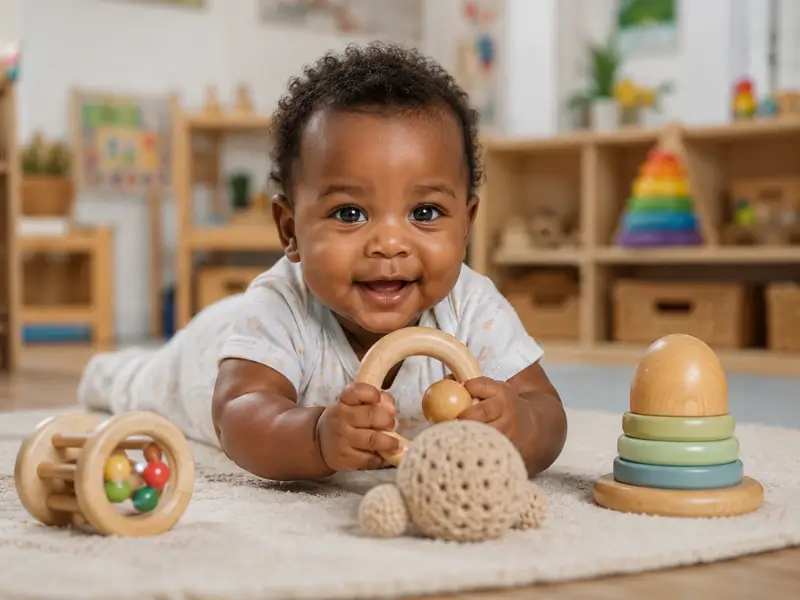
0 to 18 Months
Sensory Exploration
Support early development with sensory resources that encourage touch, movement, visual tracking, coordination and discovery during a child’s first stages of learning.
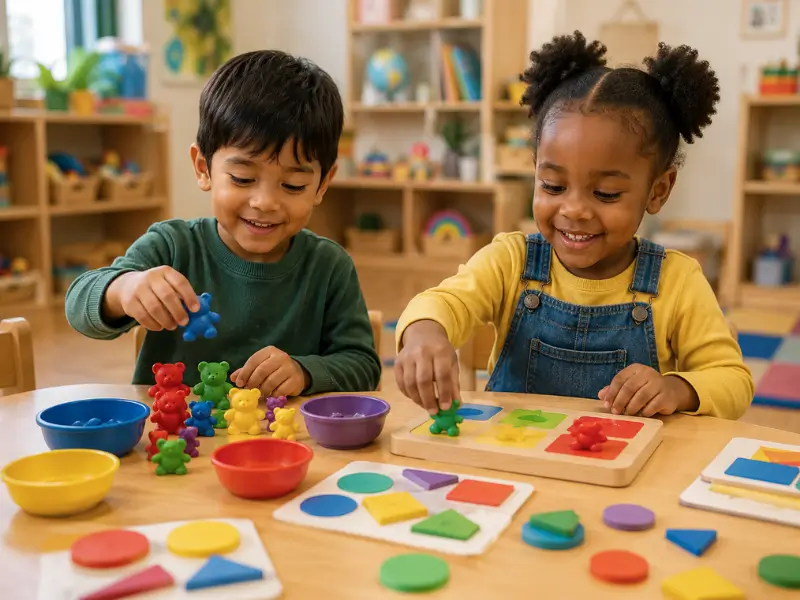
3 to 5 Years
Foundation Phase
Prepare young learners for the classroom with resources that strengthen early literacy, numeracy, creativity, coordination and social development.

5 to 8 Years
Foundation Phase
Support classroom learning with resources that develop reading, writing, numeracy, reasoning and practical skills across the early school years.
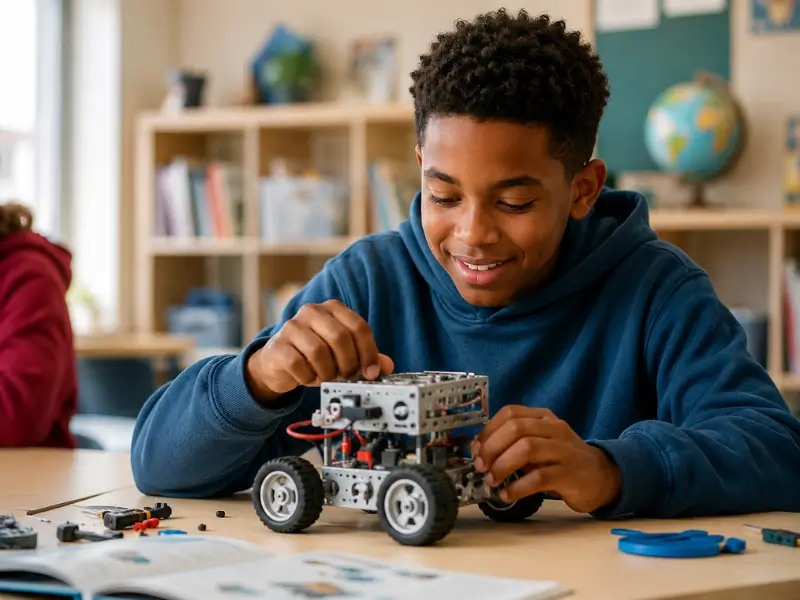
8 to 13 Years
Intermediate Phase
Encourage deeper learning with resources that support problem-solving, subject knowledge, critical thinking, practical application and classroom participation.

13 Years and Up
Advanced Learning
Extend learning with resources that support subject understanding, critical thinking, investigation, practical skills and more independent study.
Explore Resources by Skill
Sometimes the best way to find the right resource is to start with the skill you want to support. Browse by learning area to narrow the options and focus on resources that match your goals.





Frequently Asked Questions
How can I choose resources that encourage independent play?
Look for resources that are simple to understand, easy to handle and open enough for children to explore in their own way. Activities such as stacking, sorting, matching, building and pretend play can give toddlers room to make choices, repeat actions and work things out without constant adult direction.
Which resources are suitable for toddler group activities?
Resources that encourage turn-taking, shared exploration and simple cooperation tend to work well with toddler groups. Large construction pieces, matching games, music and movement resources, sensory materials and simple role-play activities can all support shared play when there are enough components for several children to participate.
What should I look for when choosing resources for an ECD toddler room?
Consider durability, ease of cleaning, age suitability and how often the resource will be used. It also helps to choose a balanced mix of resources that support movement, language, sensory exploration, fine motor skills and early problem-solving across the daily routine.
How can I choose resources that support different ability levels in the same toddler group?
Look for resources that can be used in several ways or adapted as skills develop. Open-ended activities, manipulatives, sorting resources and construction sets often work well because one child can use them in a simple way while another can take the activity further.
Which resources are suitable for repeated use in an ECD centre?
Resources for shared environments should be durable, easy to clean and simple to reset between activities. Strong materials, reusable manipulatives and products with fewer fragile components are usually easier to manage when they are handled by several children throughout the week.
How do I choose resources that are easy to rotate between activities?
Choose resources that can support several types of play or learning rather than a single fixed task. Blocks, sorting sets, sensory materials, puzzles and pretend-play resources can often be introduced in different ways, which makes them easier to reuse across the programme.
Can the same resource support language, motor and cognitive development?
Yes. Many toddler resources can support several areas at once. A sorting activity, for example, can encourage grasping and hand control while also introducing vocabulary, colour, shape and early problem-solving. The learning value often depends on how the activity is introduced and extended.
What resources are useful for children who need additional developmental support?
Resources that offer clear visual cues, tactile feedback, repetition and manageable steps can be helpful. It is also useful to choose materials that can be simplified or adapted so the child can participate at a level that feels achievable while still allowing room for progress.
How can therapists use educational resources with toddlers?
Therapists can use educational resources to support specific goals through structured play, repetition and hands-on practice. The same resource can often be adapted to work on areas such as fine motor control, communication, attention, sensory processing or early problem-solving across several sessions.
Can Educanda help me compare resources for a toddler room or ECD centre?
Yes. If you are deciding between similar products, you can share the age range, group size, learning goals and the way the resource will be used. Our team can then help you compare the options based on suitability, practicality and use within your setting.
Can Educanda recommend resources based on a specific developmental goal?
Yes. Tell us the skill or developmental area you want to support, along with the age and ability level of the children involved. This gives us a clearer basis for suggesting resources that may suit your programme or activity.
Does Educanda offer resources suitable for both individual and small-group use?
Yes. Many of the resources in our range can be used one-to-one or adapted for small groups. Product suitability will vary, so consider the number of components, the type of activity and the level of adult involvement needed when deciding how a resource will be used.